
QuickBooks clean up servicesfor clean books
You are holding a quote that promises clean books, and you cannot tell what it covers. We start with the bank you already trust, name every account, park what has no paper, set payroll up on a provider you run, and build the statements the return can stand on. Bring the quote. Steven Palmieri, Tax CFO, the Entrepreneur's CFO, will say which lines name a month and which lines only promise a feeling. Before you share a login, we will also read the quote you are holding.
Clean the books
What the quote in your hand says

You will be talking to the Steven Palmieri practice.
The books
Every account is named before the month runs cold.
Click to see the books ›Tap to see the books ›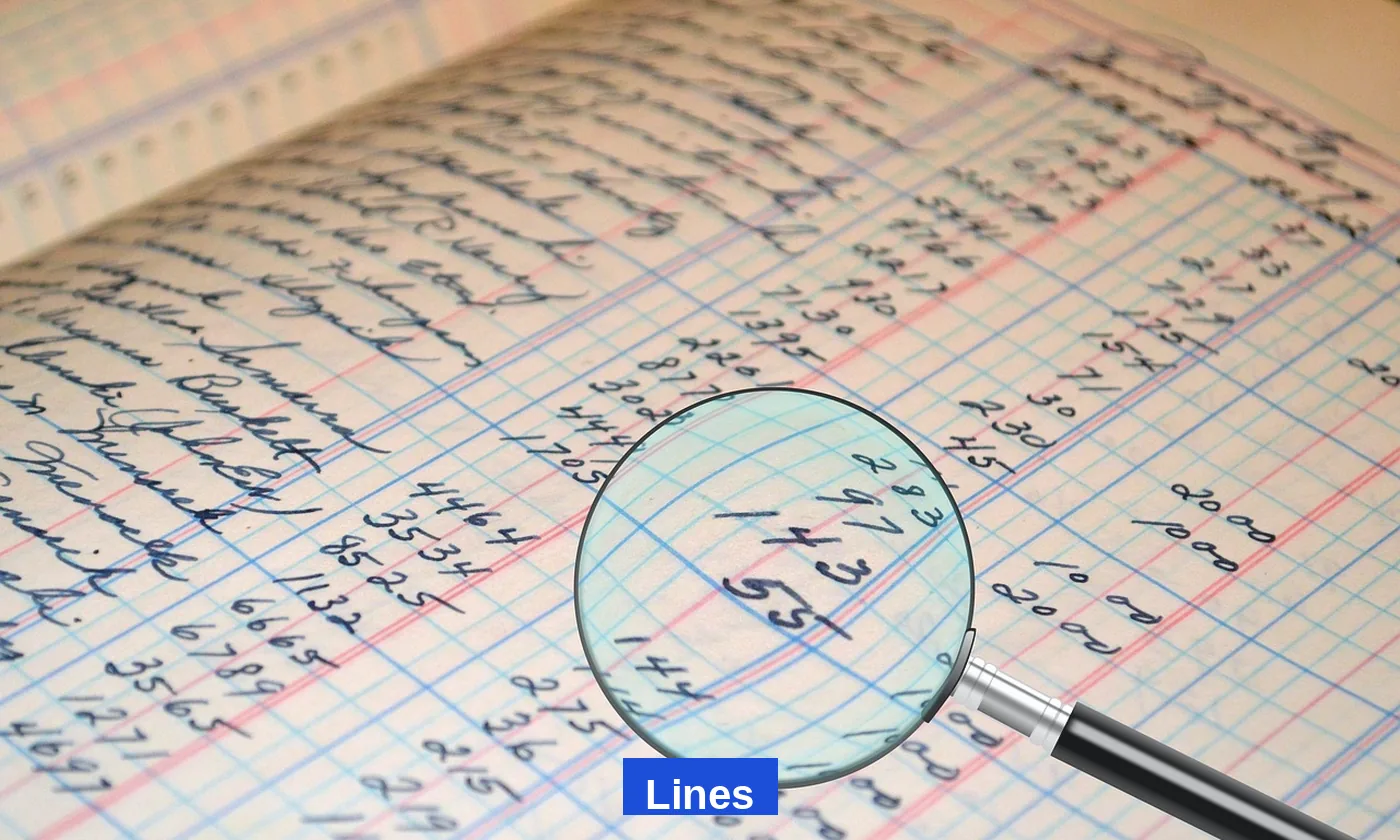
Statements
Which accounts still have no paper, and what we do about it.
Click to see statements ›Tap to see statements ›Payroll setup
Unnamed payroll is a problem that arrives in April. We set it up now.
Click to see payroll setup ›Tap to see payroll setup ›
The return
The bank, the books and the return meet with no gap.
Click to see the return ›Tap to see the return ›
Who does the work
We read the file with you. The login stays in your name.
Click to meet us ›Tap to meet us ›
Pick a time
Bring the months that will not reconcile. A 30-minute call says what the cleanup touches.
Click to choose a time ›Tap to choose a time ›
Six troubles a messy file hides
Open one card.
1Bank feeds that will not match
We reconcile to the statement
A feed can post one deposit twice. The month is closed only when the bank and the register tell one story.
2A year you already filed
We leave that year closed
The cleanup says whether a filed year stays filed before anyone is invited into the file.
3A login that might not stay yours
The subscription stays in your name
When the project stops, the login, the bank feeds, and the file come back to you.
4A letter from the state
We pull the pages it names
The worry is real. The letter gets a date, a form name, and the month it belongs to.
5Payroll that is not set up
We set it up and you run payday
Registrations and the provider are put in place. We do not run the pay dates after that.
6Months with no statements
We build them from closed months
The return needs months that match the bank, not a feeling about how the file looks.
The mark belongs to Steven Palmieri. The role is Tax CFO, the Entrepreneur's CFO.
What the quote in your hand says
The practice is based in Dallas. Owners meet us on a video call, with the file shared, and the monthly close keeps one date wherever the shop is. The file looks the same on both sides of that call.
You will be talking to the Steven Palmieri practice.
What those six lines still have to say
Open this section
The afternoon can feel finished while the bank is still open. We name the accounts before that month runs cold. The deposits from the week still need a name before anyone calls the month closed.
A stack of statements can look finished and still hide an account with no paper. We see the pages and ask which accounts still have no paper. The month is not closed while that question is open.
Unnamed payroll setup does not wait for a quiet week. We treat unnamed payroll setup as a problem that arrives in April, when the return is already asking who was paid and which deposits were wages.
We want the bank, the books, and the return to meet with no gap. The month that ties is what those three have to cross. A letter is easier when that month already has a name.
We read the file with you. Steven Palmieri does that as Tax CFO. The login stays in your name. A 30-minute call is enough to say what the cleanup will touch. After the books are clean we stay through the months that follow.
What a cleanup leaves unnamed
Open this section
A file that needs help is an ordinary thing. What goes wrong is paying for a feeling and then calling that feeling a scope. Full cleanup, a week, a block of hours. None of those say which balance sheet accounts move, or whether a year you already filed stays filed.
We write five lines before anyone is invited in. Which accounts are touched. Whether a filed year stays put. Whose name the subscription stays in. What the work will not invent or sign. What the file looks like when it is handed back, including the first ordinary month.
Your own balances stay off that page. The shape is what a rate never shows. You can hold the same lines up to a proposal from anyone, including one from us.
A holding line for an item we cannot name
Open this section
During a cleanup, some bank lines look like they belong on the balance sheet and still have no paper behind them. We do not guess them onto a profit and loss account to make the month look tidy. We park them on a holding line we can see, and that line is the list of open questions.
Each parked item ends one of four ways. It becomes an ordinary expense once the paper shows up. It becomes an owner draw or a contribution. It belongs to another company you own, and then both files get the matching entry. Or it is a real account we did not know about, a loan or a card, and we open that account and ask for its statements.
Nothing leaves the holding line without the paper or your say. When the line is empty, we remove it. Until then it is the cleanup's honest unfinished list, not a hidden plug.
Checks that never cleared, and feeds that post twice
Open this section
An old check that never hit the bank will sit in the register forever if nobody asks where it went. We list those items, ask whether they were voided, reissued, or just never sent, and we do not delete them to force a reconciliation to zero.
A bank feed that posts the same deposit twice makes the month look richer than the bank. The reconciliation is the test. The statement balance, the register balance, and the cleared items have to tell one story. If they do not, the month is not closed, and we say so.
Owner deposits that are not income are a quiet way a file lies. A transfer from your personal account, a loan proceed, a refund of something you paid personally. We ask before we call it sales. The return is kinder when that question is settled in the month, not in April.
The first ordinary month, then the return
Open this section
Cleanup is a project with an end. The end is a file you can close every month without a rescue. Payroll is set up so your provider can run payday. The pay dates stay with you and the provider. The statements after that are the ones the return is built on.
A year you already filed stays filed unless you and we agree, in writing, that it should be opened. That sentence belongs on the engagement. It is the one owners wish they had asked for after the login was shared.
The relief is a month that matches the bank and a return that matches those months. The worry, a letter from the state, gets a date and a form name instead of a pile. The cleanup is finished when that month can happen again. The next month is the proof the first one was real, and it is the month we stay to watch if you want us there.